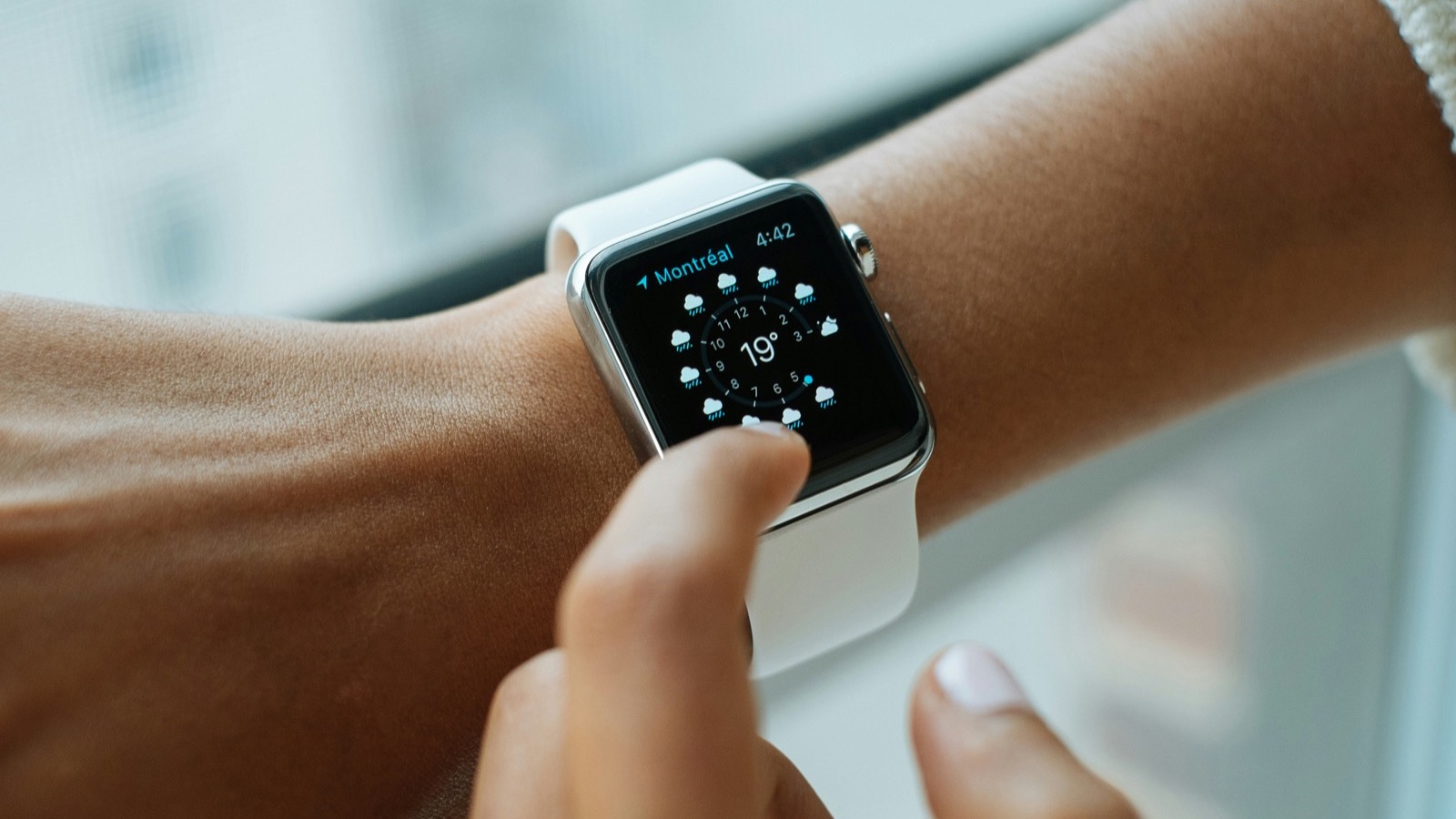
High blood pressure is sometimes called the silent killer, and for good reason. About 1.28 billion adults worldwide live with hypertension, and nearly half of them don't know they have it. No headache, no chest pain, no warning — just years of quietly elevated pressure straining your heart, arteries, and kidneys.
So it's no surprise people keep asking whether their smartwatch can catch it. Samsung advertises blood pressure on the Galaxy Watch. Tech blogs run rumors about Apple's next sensor. And the idea of glancing at your wrist for a blood pressure reading like you check the weather is genuinely appealing. But the honest answer is more complicated than the marketing suggests. Here's what your watch can and can't do — and what actually matters for your heart health.
YouTube: Related video
What blood pressure numbers actually mean
Every heartbeat pushes blood through your arteries, and the pressure of that flow is what a blood pressure reading captures. The top number, systolic, is the pressure when your heart contracts. The bottom number, diastolic, is the pressure between beats.
Under current guidelines, normal is below 120/80. Elevated is 120–129 with a diastolic under 80, and stage 1 hypertension starts at 130/80. These aren't arbitrary lines — they're tied to research showing that risk of heart attack and stroke climbs steadily as pressure rises.
Why a watch can't just "measure" it
Here's the key distinction: a traditional blood pressure cuff inflates, squeezes your arm, and physically measures the pressure inside your artery. That's a measurement. Most smartwatches do something completely different.
They shine an optical sensor (PPG) into your wrist to track blood volume changes, then run the data through an algorithm that estimates blood pressure based on things like pulse transit time — how long it takes the pulse wave to travel between your heart and your wrist. It's a clever inference, but it's indirect. And indirect estimates drift.
This is why validation studies keep coming up short. When researchers tested the Samsung Galaxy Watch Active 2 against a clinical-grade monitor, the readings missed the accuracy standard required for medical devices in a large share of participants. Systematic reviews of cuffless wearables reach the same conclusion: they're promising, but they don't yet meet clinical accuracy criteria — especially for people whose blood pressure is high, where the error margins matter most.
Which watches actually do blood pressure?
A few devices are worth knowing about:
- Samsung Galaxy Watch — has a blood pressure app that's been cleared by the FDA in the US. But it doesn't work out of the box: you must calibrate it against a traditional cuff every four weeks, and it's only available in certain countries. Treat it as a convenience tool, not a replacement for home monitoring.
- Omron HeartGuide — a watch with a tiny inflatable cuff built in. It physically measures like a regular monitor, which makes it more accurate, but it's bulky, pricey, and still needs proper cuff placement.
- Apple Watch — as of today, no blood pressure measurement at all. Apple is reportedly researching the tech, but it's not here yet. Anyone claiming their Apple Watch gives BP readings is looking at a third-party estimate.
The common thread: every credible cuffless option requires regular calibration with a real cuff. That's not a bug — it's the technology admitting it can't stand alone.
What your wearable data can tell you about BP risk
Your watch may not measure blood pressure, but it's not useless for heart health. It tracks the things that predict and surround high blood pressure:
- Resting heart rate — chronically elevated RHR can signal cardiovascular strain, and it often trends upward as blood pressure climbs.
- HRV — low heart rate variability reflects sympathetic overdrive, which is common in hypertension.
- Sleep apnea signals — breathing interruptions during sleep are a major, underdiagnosed driver of high blood pressure. If your watch flags heavy breathing disruptions, that's worth taking seriously.
- VO2 max — cardiorespiratory fitness is one of the strongest predictors of cardiovascular health. Low fitness and high blood pressure travel together.
None of these diagnose high blood pressure. But a pattern of elevated resting heart rate, declining HRV, and fragmented sleep is a perfectly good reason to book a proper blood pressure check — which is exactly what the watch is good at: pointing you toward the right next step.
How to actually keep tabs on your BP
If you're concerned about blood pressure — family history, age, stress, or just curiosity — the gold standard at home is a validated upper-arm cuff. Look for devices on the dabl Educational Trust validation list, which independently verifies accuracy.
Then measure properly, because technique matters as much as the device: sit quietly for five minutes first, feet flat on the floor, arm supported at heart level, no coffee in the previous half hour. Take two or three readings a minute apart and use the average. Do it at roughly the same time each day, and don't panic over a single high reading — trends over weeks are what count. If your numbers run high consistently, that's a conversation for your doctor, not your wrist.
The bottom line
Smartwatch blood pressure is a work in progress. The technology is real and improving, but today's cuffless estimates aren't accurate enough to diagnose or manage hypertension — full stop. For now, the most useful thing your watch can do is track the surrounding signals: resting heart rate, HRV, sleep, and fitness trends that hint at cardiovascular health.
Use your wearable to notice patterns, and use a proper cuff to know your numbers. Between the two, you'll have a far better picture of your heart health than either one alone.
Century helps you understand your body with a daily health score, recovery score, and sleep insights — using the watch you already wear.