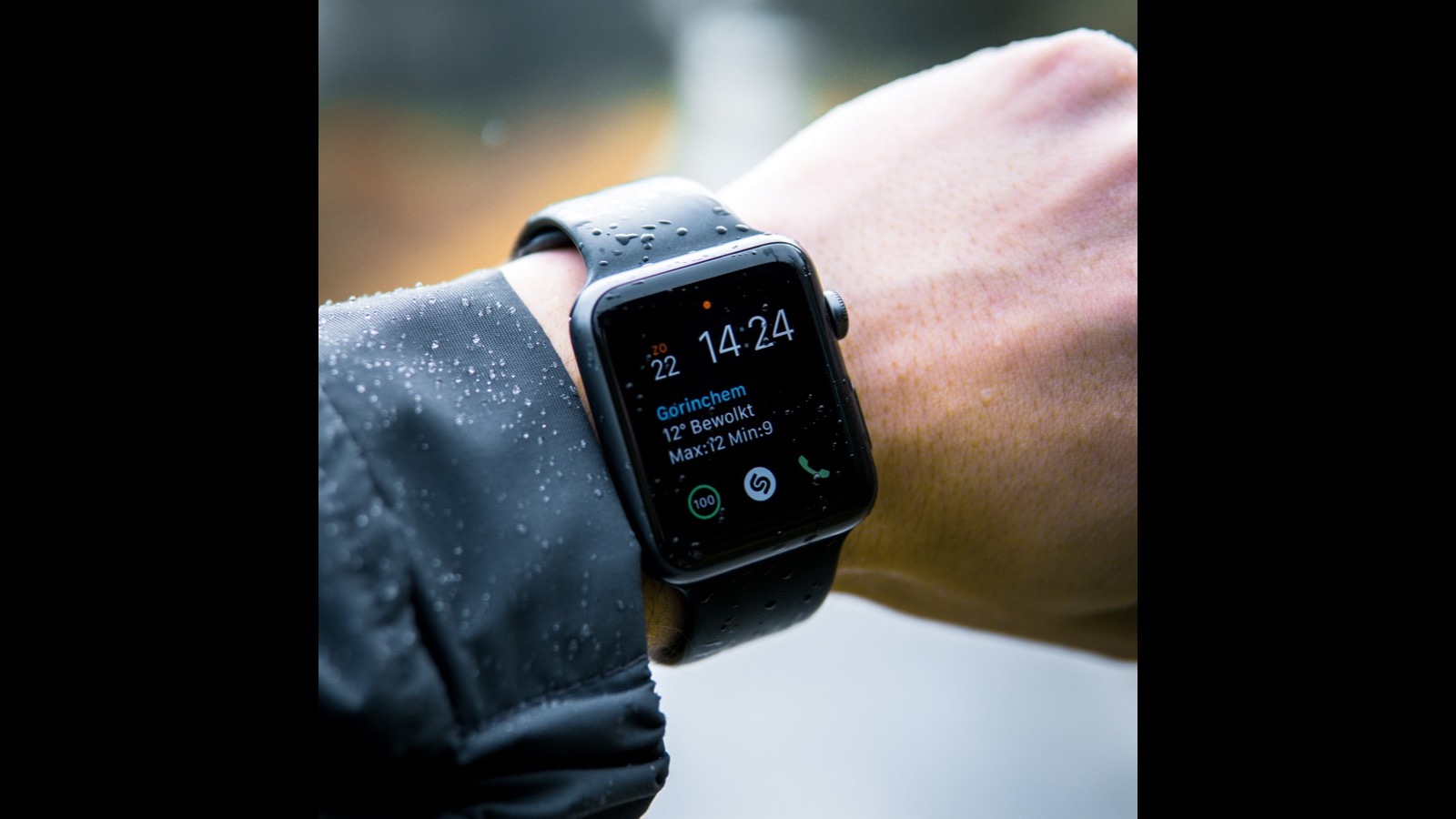
Your resting heart rate is one of those numbers your Apple Watch tracks every day, quietly, without fanfare. You might glance at it occasionally. Maybe you've noticed it's lower after a good night's sleep or higher after a few drinks. But research suggests RHR deserves a lot more of your attention — because it's one of the most powerful longevity predictors you can track for free.
A 2024 study published in Nature Scientific Reports analyzed heart rate data across three massive cohorts — the Paris Prospective Study, the Whitehall Study, and the Framingham Heart Study — spanning decades of follow-up. The finding was striking: people whose resting heart rate increased over time had significantly higher mortality risk than those whose RHR stayed stable or decreased. And it wasn't subtle. A 10-beat-per-minute increase in RHR over several years was associated with a roughly 20% higher risk of death from any cause.
YouTube: Related video
Why your heart beats the way it does
Resting heart rate is fundamentally a measure of how hard your heart has to work when you're doing nothing. A lower RHR — typically 50–70 beats per minute in healthy, fit adults — means your heart is efficient. Each beat ejects more blood, so it doesn't need to pump as often.
This isn't just an athletic flex. Across mammalian species, resting heart rate correlates inversely with lifespan. A mouse's heart beats roughly 500 times per minute and it lives about two years. An elephant's heart beats around 30 times per minute and it lives up to 70 years. Humans land somewhere in the middle — but where you land within the human range matters enormously.
A meta-analysis published in the Canadian Medical Association Journal that pooled data from over 1.2 million participants found that every 10-beat increase in resting heart rate was associated with a 9% increase in all-cause mortality risk and an 8% increase in cardiovascular mortality. The relationship held after controlling for age, blood pressure, cholesterol, smoking, diabetes, and physical activity level.
The trend matters more than a single reading
One isolated RHR reading on a Monday morning tells you almost nothing. Your heart rate fluctuates day to day based on sleep quality, stress, hydration, alcohol, illness, and training load. That's normal.
What's not normal — and what your wearable is uniquely positioned to detect — is a sustained upward trend over weeks and months.
The American Heart Association published a 2024 analysis showing that people whose resting heart rate increased by more than 5 beats per minute over a three-year period had a 69% higher risk of dying from any cause compared to those whose RHR decreased slightly. This was independent of baseline RHR, meaning even people who started with a "good" resting heart rate were at elevated risk if it climbed persistently.
This is where wearables change the game. Before continuous tracking, you'd get a single RHR reading once or twice a year at a doctor's visit. Now your Apple Watch measures it every morning while you're still in bed. You have a time series. And time series reveal trends that single snapshots miss.
What causes resting heart rate to increase
An upward RHR trend doesn't mean you're doomed. It means something is changing in your body, and it's worth investigating. Common drivers include:
Declining cardiovascular fitness. The most straightforward explanation. If you're exercising less, your heart loses efficiency. Your stroke volume decreases, and your heart compensates by beating faster to maintain cardiac output at rest.
Chronic stress and elevated cortisol. Your autonomic nervous system has two branches: sympathetic (fight or flight) and parasympathetic (rest and digest). Chronic stress tilts the balance toward sympathetic dominance, keeping your heart rate elevated even when you're resting. Your HRV drops at the same time — the two metrics move together.
Poor sleep. Even one night of shortened sleep can elevate RHR by 3–5 beats per minute the following day. Chronic sleep deprivation keeps it elevated. This is partly hormonal — inadequate sleep raises cortisol and suppresses the parasympathetic recovery that lowers heart rate overnight.
Low-grade inflammation and illness. Your heart rate often rises 24–48 hours before you feel sick. This is your immune system ramping up, and it's one of the most useful early-warning signals your wearable provides. A sudden unexplained RHR spike is often the first sign that you're fighting something.
Alcohol. Even moderate drinking elevates overnight heart rate and suppresses HRV. The effect is dose-dependent and typically resolves within 24–48 hours of abstinence.
Dehydration. Lower blood volume means your heart has to pump faster to maintain blood pressure and oxygen delivery. Even mild dehydration — 1–2% of body weight — can raise RHR measurably.
What a declining resting heart rate means
If your RHR is trending downward while your activity level stays the same or increases, that's generally excellent news. It means your cardiovascular system is becoming more efficient — your heart is getting stronger, and each beat is moving more blood.
This is one of the most satisfying trends to watch as you get fitter. Within 4–8 weeks of consistent aerobic training, most people see their resting heart rate drop by 3–8 beats per minute. The effect is most dramatic in previously sedentary people and tends to plateau after several months of consistent training.
One caveat: if your RHR drops significantly without any change in exercise habits — especially if accompanied by fatigue, dizziness, or feeling unusually cold — talk to your doctor. Extremely low heart rates (below 40 bpm in non-athletes) can sometimes indicate an underlying issue.
How to track and interpret your RHR
Your Apple Watch measures your resting heart rate automatically throughout the day when you're inactive. The Health app shows daily averages and long-term trends.
What to look at:
- Weekly average. Smooth out the day-to-day noise. A single high reading after a late dinner or a stressful day means nothing.
- Month-over-month trend. Is your average RHR this month higher or lower than last month? A 3–5 bpm sustained increase over two months warrants attention.
- Context with HRV. RHR and HRV tend to move in opposite directions. A rising RHR with a falling HRV is a strong signal that your body is under-recovered — from training, stress, illness, or some combination.
How to lower your resting heart rate
The interventions are straightforward and well-supported by evidence:
Aerobic exercise. The most powerful lever. 150+ minutes per week of moderate-intensity cardio — brisk walking, cycling, swimming, jogging — reliably lowers RHR within weeks. Even 30 minutes of daily walking moves the needle for sedentary people.
Sleep consistency. Going to bed and waking up at consistent times supports healthy autonomic regulation. Your parasympathetic nervous system needs predictable downtime to lower heart rate effectively.
Stress management. Meditation, breathwork, and time outdoors all tilt your autonomic balance toward parasympathetic dominance. Even five minutes of slow, deep breathing (4–6 breaths per minute) can temporarily lower heart rate by stimulating the vagus nerve.
Hydration. Drink enough water. Sounds obvious, but chronic mild dehydration is surprisingly common and keeps heart rate elevated.
Reduce alcohol. Even cutting back from daily drinking to weekends-only makes a measurable difference in overnight and resting heart rate.
The bottom line
Your resting heart rate is free data that your watch already collects. It takes almost no effort to track. But it rewards attention with one of the clearest windows into your cardiovascular trajectory — and, by extension, your longevity.
Watch the trend. If it's going up and you haven't changed anything, your body is telling you something. If it's going down, you're probably doing something right.
Century helps you understand your body with a daily health score, recovery score, and sleep insights — using the watch you already wear.